
Athletic Therapy
Winnipeg
Personalized care for pain, injury, and better movement for everyday life.
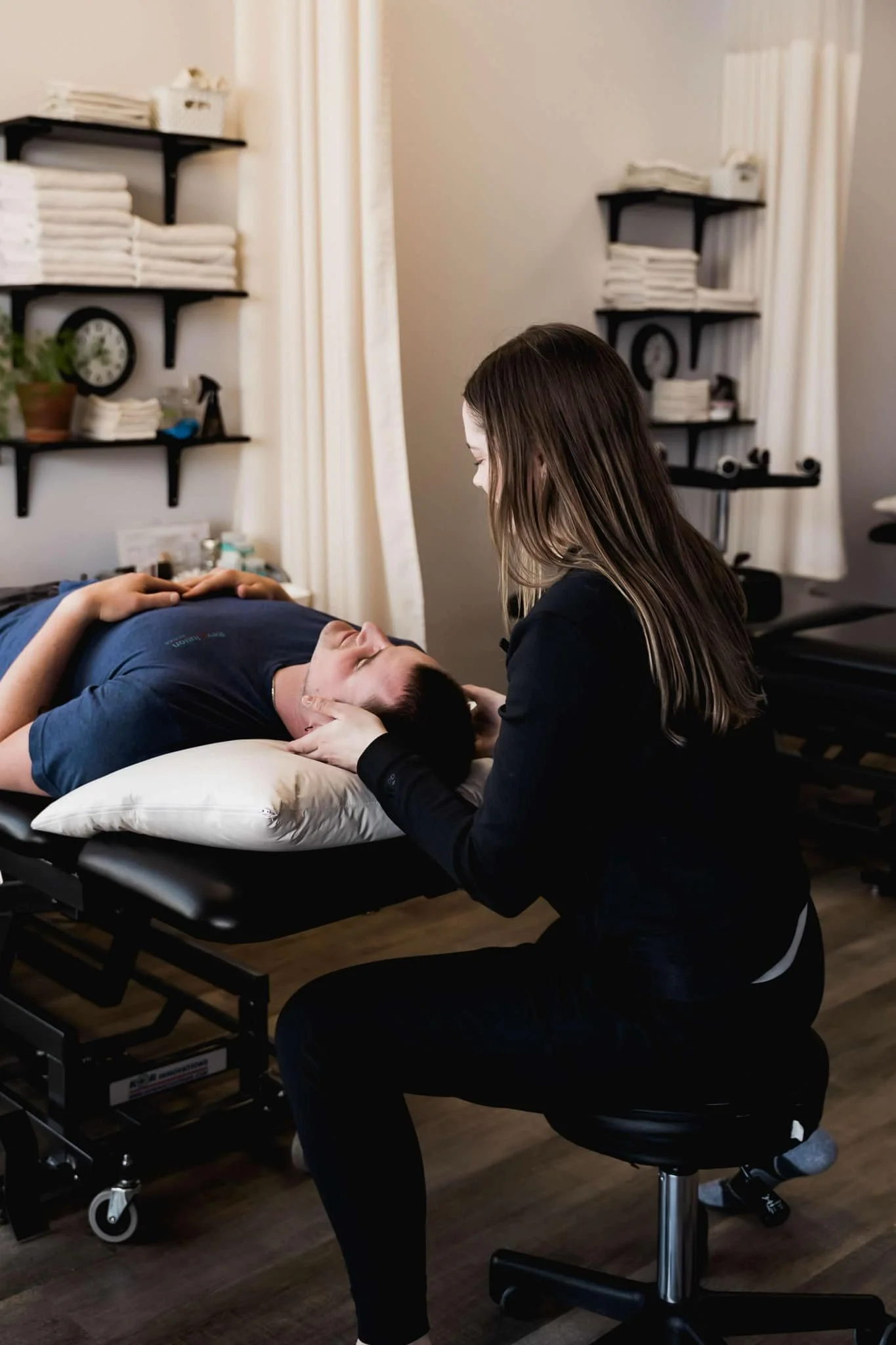
Athletic Therapy at Revolution Rehab in Winnipeg focuses on helping people reduce pain, restore movement, and feel more confident in their bodies. Care is led by Certified Athletic Therapists and combines thoughtful assessment, hands-on treatment, and practical rehabilitation strategies designed to translate beyond the clinic.
A Different Approach to Rehabilitation
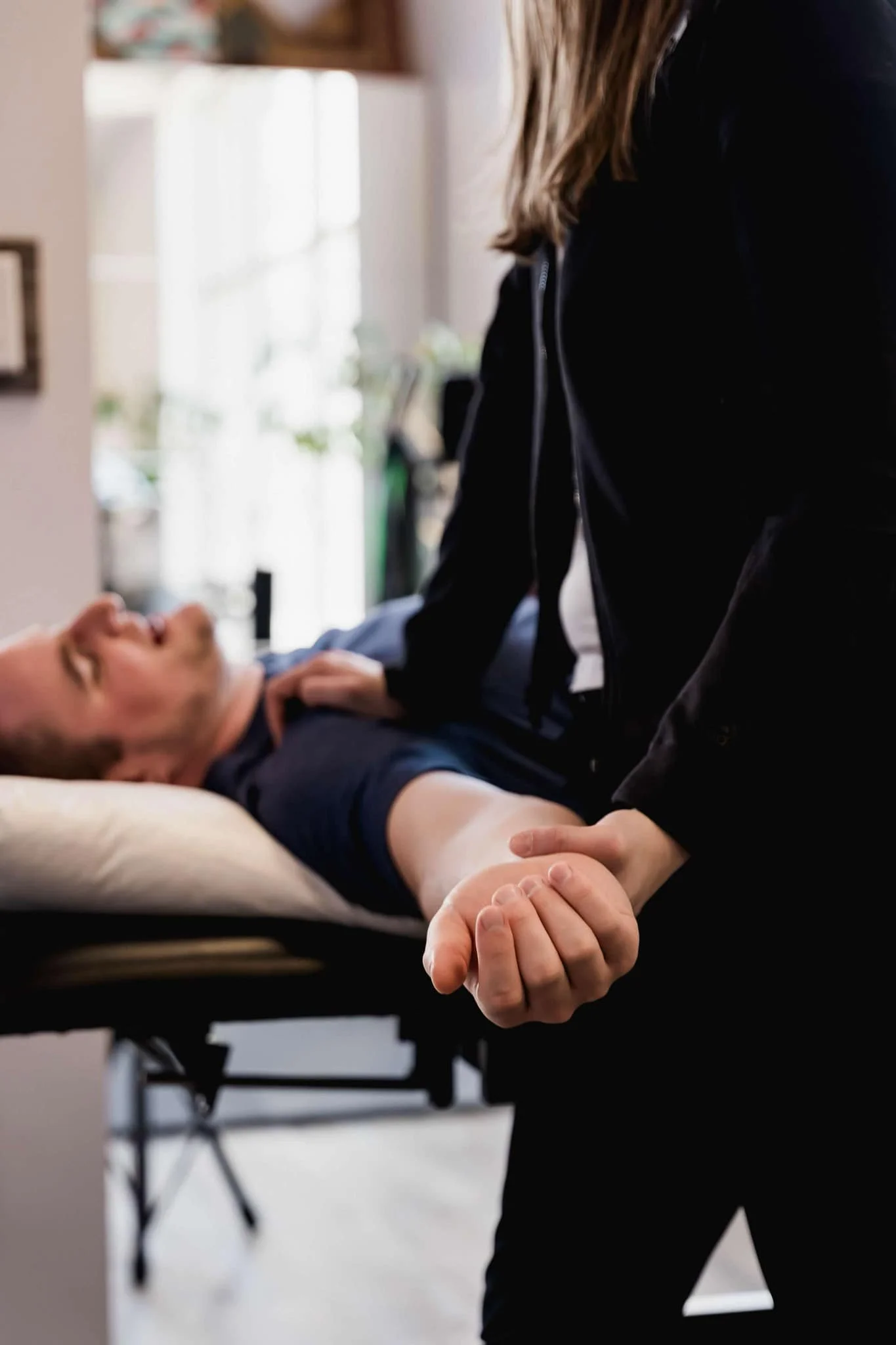
Athletic Therapy at Revolution Rehab is not protocol-driven. Your therapist takes time to understand how your body moves, how your days look, and what your body needs to recover.
Rather than overwhelming programs, care focuses on:
identifying the underlying contributors to pain or stiffness
hands-on treatment to support movement and comfort
a small number of meaningful movement changes
strategies you can realistically use at home or work
No gym required. Rehabilitation is designed to translate easily into your own space, using simple, realistic strategies that support progress outside the clinic.
Why People Choose Athletic Therapy
-

Reduced Risk of Reoccurring Injury
By addressing movement patterns and contributing factors, care is focused on long-term change rather than short-term relief.
-
Efficient & Focused Recovery
Rehabilitation is intentional and targeted, prioritizing what matters most for meaningful progress.
-

Independence & Confidence
The goal is not endless treatment, but understanding your body well enough to move forward with confidence.
Our Athletic Therapists Work With
-

Acute & Chronic Injuries
Adults managing recent injuries or ongoing aches, pains, strains, and sprains.
-

Desk Workers
Individuals dealing with posture-related discomfort, stiffness, or repetitive strain from daily work demands.
-

People Frustrated With One-Size-Fits-All Care
Individuals who have not seen progress with standardized approaches and want care that adapts as their body responds.
-

MPI & WCB Claims
People recovering from motor vehicle or workplace injuries who need thoughtful, guided rehabilitation.
-

Pregnancy & Pelvic Floor
Support through pregnancy-related changes and pelvic floor concerns, with care adapted to each stage.
-

Seniors
Adults looking to maintain mobility, balance, and confidence in everyday movement.
-

Athletes
Recreational and competitive athletes seeking thoughtful, movement-focused rehabilitation.
What We Treat
We work with a wide range of pain, injury, and movement concerns. If what you’re dealing with isn’t listed, we’re happy to help guide you.
-
Neck pain can develop for many reasons, including muscle strains, ligament sprains, posture-related stress from prolonged sitting or screen use, repetitive strain, or injury such as whiplash. It may also be influenced by movement patterns, muscle imbalances, or weakness that place ongoing stress on the neck and upper body.
Athletic Therapy focuses on understanding what is contributing to your neck pain, improving movement and strength where needed, and supporting a safe return to daily activities, work, and physical activity.
-
Headaches may be influenced by muscle tension, posture, neck and upper back movement, stress, or prolonged screen and desk work. For many people, headaches are linked to how the body moves and manages load throughout the day.
Athletic Therapy focuses on identifying contributing movement and tension patterns, improving mobility and strength, and supporting strategies that may help reduce headache frequency and intensity over time.
-
Back pain can develop due to muscle or ligament strain, prolonged sitting, repetitive movement, heavy or awkward lifting, or sudden injury. It may also be influenced by movement patterns, stiffness, or weakness that place ongoing stress on the spine.
Athletic Therapy focuses on identifying contributing factors, restoring comfortable movement, and building strength and control to support daily activities, work, and physical demands.
-
Shoulder pain may result from overuse, strain, restricted mobility, or injury affecting how the shoulder moves and supports the arm. It often shows up during reaching, lifting, or overhead activity.
Athletic Therapy helps address movement limitations, improve strength and coordination, and support a gradual return to daily tasks, work, and physical activity with confidence.
-
Knee pain can be caused by changes in activity, repetitive loading, muscle imbalance, or injury. It may affect walking, stairs, squatting, or prolonged standing.
Athletic Therapy focuses on understanding how the knee is being loaded, improving strength and movement control, and supporting safe, confident movement in everyday life.
-
Foot and ankle pain may stem from overuse, strain, changes in footwear or activity, or injury affecting balance and walking mechanics. Discomfort can impact standing, walking, or longer periods on your feet.
Athletic Therapy addresses contributing movement patterns, strength, and mobility to support more comfortable walking and daily activity.
-
Hip pain can develop due to stiffness, muscle imbalance, repetitive strain, or injury. It may affect walking, sitting, standing, or transitions between positions.
Athletic Therapy focuses on restoring mobility and strength around the hip and surrounding areas, helping support smoother movement and reduced discomfort during daily activities.
Pain & Movement Concerns
-
TMJ concerns may involve jaw pain, clicking, tension, or difficulty opening and closing the mouth. Symptoms are often influenced by jaw mechanics, neck and upper back posture, muscle tension, and habits such as clenching or grinding.
Athletic Therapy focuses on improving jaw and surrounding movement, addressing contributing tension and posture patterns, and supporting more comfortable daily function.
-
Elbow pain may develop from repetitive use, overloading, or strain related to work, sport, or daily activities. It often shows up with gripping, lifting, or repetitive arm movements.
Athletic Therapy focuses on improving movement patterns, strength, and load tolerance to reduce irritation and support comfortable use of the arm in daily tasks.
-
Wrist and hand pain can result from repetitive movements, prolonged computer or device use, strain, or injury. Discomfort may affect grip strength, fine motor tasks, or everyday activities.
Athletic Therapy addresses contributing movement patterns, strength, and coordination to support more comfortable and confident hand use.
-
Sciatica involves pain, tingling, or discomfort that travels from the lower back into the hip, leg, or foot. Symptoms are often influenced by how the spine and lower body move and manage load.
Athletic Therapy focuses on identifying contributing movement factors, restoring mobility and control, and supporting a gradual return to comfortable daily movement.
-
Tendon-related pain often develops when tissues are exposed to repetitive or increased loading without adequate recovery. It may affect comfort during work, exercise, or daily activity.
Athletic Therapy focuses on improving load management, strength, and movement strategies to support tendon health and long-term recovery.
-
Frozen shoulder involves progressive stiffness and pain that limits shoulder movement over time. It can significantly impact reaching, dressing, and overhead activities.
Athletic Therapy focuses on supporting shoulder mobility, comfort, and gradual return of movement through a structured, progressive approach.
-
Arthritis can cause joint pain, stiffness, and reduced mobility that affects daily movement and function. Symptoms may fluctuate and often respond well to appropriate movement and load management.
Athletic Therapy focuses on improving joint mobility, strength, and movement confidence to support comfortable activity and independence.
-
Acute injuries are recent strains, sprains, or incidents that cause sudden pain, swelling, or movement limitation. Early assessment and guidance can help clarify what matters most and support a safe recovery.
Athletic Therapy focuses on understanding the injury, protecting healing tissues, and supporting a gradual return to daily activities and movement.
-
Chronic or recurring injuries involve pain or movement issues that persist over time or repeatedly return. These concerns are often influenced by movement patterns, load management, or incomplete recovery.
Athletic Therapy focuses on identifying contributing factors, restoring strength and movement capacity, and supporting long-term, sustainable improvement.
-
Workplace injuries may result from physical demands, repetitive tasks, prolonged positions, or sudden incidents on the job. Discomfort can affect comfort, productivity, and confidence at work.
Athletic Therapy supports recovery by addressing movement limitations, building strength, and helping people return to work safely and comfortably.
Injuries & Recovery
-
Motor vehicle accident injuries can lead to pain, stiffness, or movement limitations that affect daily life. Symptoms may develop immediately or emerge over time.
Athletic Therapy focuses on restoring movement, reducing discomfort, and supporting a gradual return to normal activity following a collision.
-
Sports injuries may occur during recreational or competitive physical activity and can involve strain, impact, or changes in training demands.
Athletic Therapy supports recovery by addressing movement mechanics, strength, and control, helping individuals return to activity with confidence.
-
Injury prevention focuses on reducing the risk of future injury by improving movement efficiency, strength, and awareness. This may be helpful during training changes, increased activity, or return to sport or work.
Athletic Therapy supports proactive strategies that help people move well and stay active over time.
-
Postural imbalance can develop from prolonged sitting, repetitive positions, or habitual movement patterns that place uneven stress on the body. Over time, this may contribute to discomfort, stiffness, or fatigue.
Athletic Therapy focuses on understanding how posture and movement interact, improving strength and mobility, and supporting more comfortable, efficient movement in daily life.
-
Movement restrictions involve limited range of motion or stiffness that makes everyday tasks feel harder or uncomfortable. These limitations may develop gradually or follow injury, inactivity, or repetitive strain.
Athletic Therapy supports restoring mobility, improving movement quality, and helping people move with greater ease and confidence.
Movement & Functional Concerns
-
Gait disorders involve changes in walking pattern that affect comfort, balance, or efficiency. These changes may result from injury, stiffness, weakness, or compensation elsewhere in the body.
Athletic Therapy focuses on improving movement coordination, strength, and walking mechanics to support safer, more comfortable movement.
-
Balance concerns may involve unsteadiness, reduced confidence, or fear of falling during daily activities. These issues can affect independence and overall quality of life.
Athletic Therapy supports balance, coordination, and strength to help people feel steadier and more confident with movement.
Specialized Areas
-
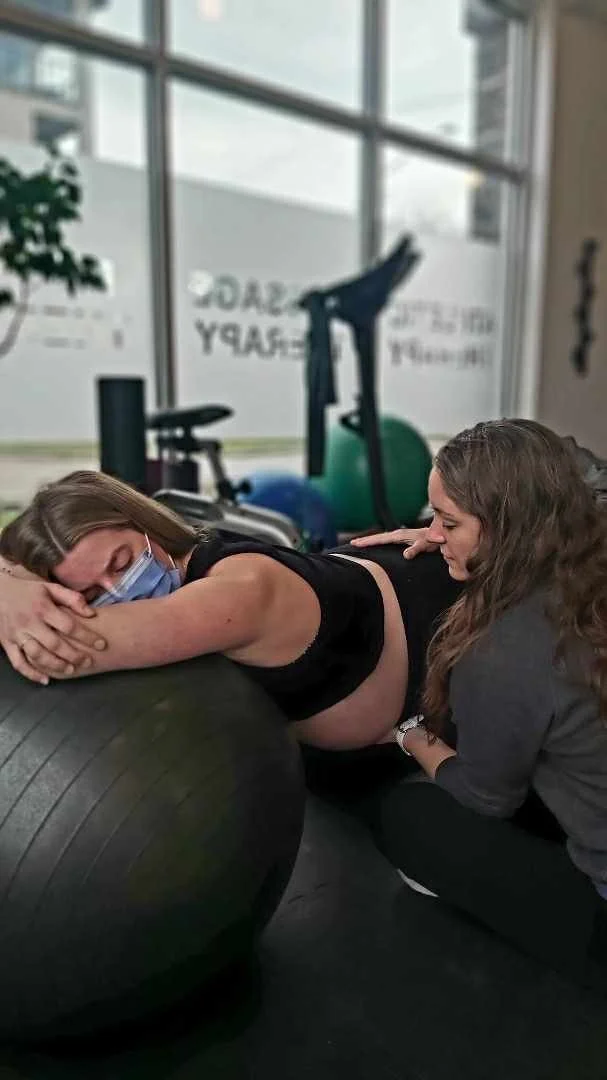
Pregnancy-related concerns may include changes in posture, joint discomfort, muscle tension, or movement challenges as the body adapts. These changes can affect comfort during daily activities and rest.
Athletic Therapy focuses on supporting safe movement, strength, and comfort throughout pregnancy using approaches adapted to each stage.
-
Pelvic floor concerns may involve discomfort, weakness, or changes in coordination that affect movement, stability, or daily function. These issues can occur during pregnancy, after childbirth, or later in life.
Athletic Therapy can support concerns such as abdominal stretching (diastasis), pelvic organ prolapse, and urinary incontinence by focusing on movement-based strategies that improve strength, coordination, and confidence while respecting individual needs and comfort.
We’re With You Every Step
-

Initial Conversation
A brief discussion to understand your concerns and confirm Athletic Therapy is the right fit.
-

Initial Assessment
Your therapist completes a detailed assessment and builds a plan specific to you.
-

Ongoing Care
Your plan evolves as your body responds, guided by progress rather than a preset timeline.
-

Moving Forward
The goal is independence, confidence, and clarity around how to support your body long term.
Our Range of Services
Our therapists may use a range of hands-on and supportive techniques as part of individualized care.
Learn more about the tools & techniques we use →
Session Length & Pricing
Athletic Therapy sessions are offered in multiple formats based on your needs and the focus of care.
View full session types and pricing.
FAQs on
Athletic Therapy
in Winnipeg
-
No. Despite the name, Athletic Therapy is well suited for everyday adults dealing with pain, stiffness, injury, or movement limitations. Many people we work with are desk workers, parents, or active adults who simply want to move more comfortably and confidently in daily life.
-
Athletic Therapy focuses on understanding how your body moves as a whole and how pain, injury, or stiffness can influence movement elsewhere. Care considers daily demands such as work, family life, and activity, not just the area that hurts.
While different rehabilitation approaches may emphasize different aspects of care, Athletic Therapy at Revolution Rehab places particular focus on movement patterns, hands-on assessment, and how your body responds over time. Treatment plans evolve based on progress, with the goal of supporting comfortable, confident movement in real life.
-
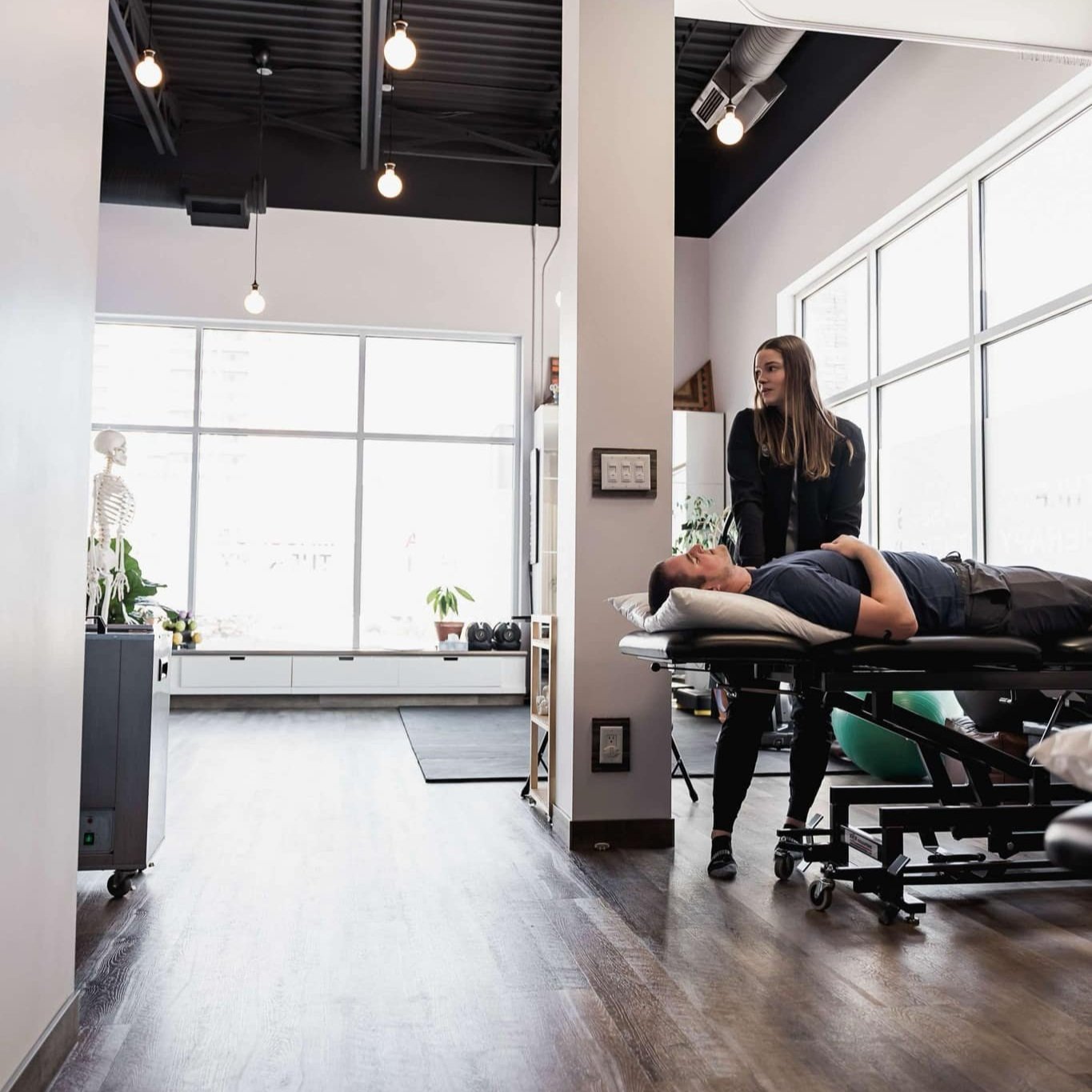
Your session is one-on-one with your therapist and includes a thoughtful assessment of how you move, hands-on treatment when appropriate, and clear explanation throughout. Care is collaborative, with time to ask questions and understand what’s going on.
Your plan is designed to be practical and realistic, focusing on movement strategies you can carry into everyday life rather than complicated or overwhelming programs.
-
Yes. Athletic Therapy is often helpful for people dealing with chronic or recurring pain, particularly when symptoms have not fully resolved with other approaches. Care looks at how your body functions as a whole and how movement, habits, and daily demands may be contributing.
By assessing movement patterns and how different areas of the body interact, care focuses on addressing contributing factors rather than only the site of pain, with the goal of supporting more sustainable improvement over time.
-
No. Most rehabilitation plans do not require access to a gym or specialized equipment. Care is designed to translate easily into your own space, whether that’s at home or at work.
When exercises or movement strategies are recommended, they are chosen to be practical, manageable, and realistic to maintain outside the clinic.
-
No. Care focuses on a small number of meaningful movement changes rather than long exercise lists. The goal is consistency and progress, not overwhelm.
Any home strategies are chosen collaboratively and designed to fit into your daily routine, making them easier to maintain over time.
-
Many extended health insurance plans include coverage for Athletic Therapy. Coverage varies by provider and plan, so we recommend checking directly with your insurer.
Our team is happy to help answer general questions about coverage and billing before your appointment.
-
Direct billing may be available depending on your insurance provider and individual plan. Coverage and eligibility vary, so we recommend confirming the details of your benefits.
Our front desk team is happy to help review current direct billing options and answer questions before your appointment.
-
Yes. The Workers Compensation Board of Manitoba (WCB) may provide coverage for Athletic Therapy services. An initial assessment is typically covered, and additional sessions may be approved based on your claim and treatment plan.
Our team can help guide you through the process and answer questions about WCB coverage and next steps.
-
Yes. Manitoba Public Insurance (MPI) may provide coverage for Athletic Therapy services following a motor vehicle accident. An initial assessment is typically covered, and additional sessions may be approved based on the injury category and recovery needs.
Our team can help explain the process and answer questions about MPI coverage before you get started.
-
Both Physiotherapists and Certified Athletic Therapists work with pain, injury, and rehabilitation, and both can play an important role depending on individual needs.
Athletic Therapy focuses on injury assessment, movement analysis, and individualized rehabilitation that considers how people move in daily life, work, and activity. You do not need to be an athlete to benefit from Athletic Therapy, and care is guided by how your body responds over time rather than a fixed protocol.
If you’re unsure which approach is the right fit, our team is happy to help guide you.
-
If you’re unsure, we’re happy to help. Athletic Therapy may be a good fit if you’re dealing with pain, injury, or movement limitations and are looking for thoughtful, one-on-one care that considers your whole body and daily life.
You’re welcome to contact our team to discuss your concerns and ask questions before booking, and we can help guide you toward the most appropriate next step.
-
Techniques vary depending on your needs. Athletic Therapists may use hands-on care, movement strategies, and supportive tools when appropriate.
View a full list of tools & techniques used in Athletic Therapy →
Book your Athletic Therapy Assessment

Fill out the form below and our team will be in touch soon.